

Pest Species
Here are the different types of species we help to treat
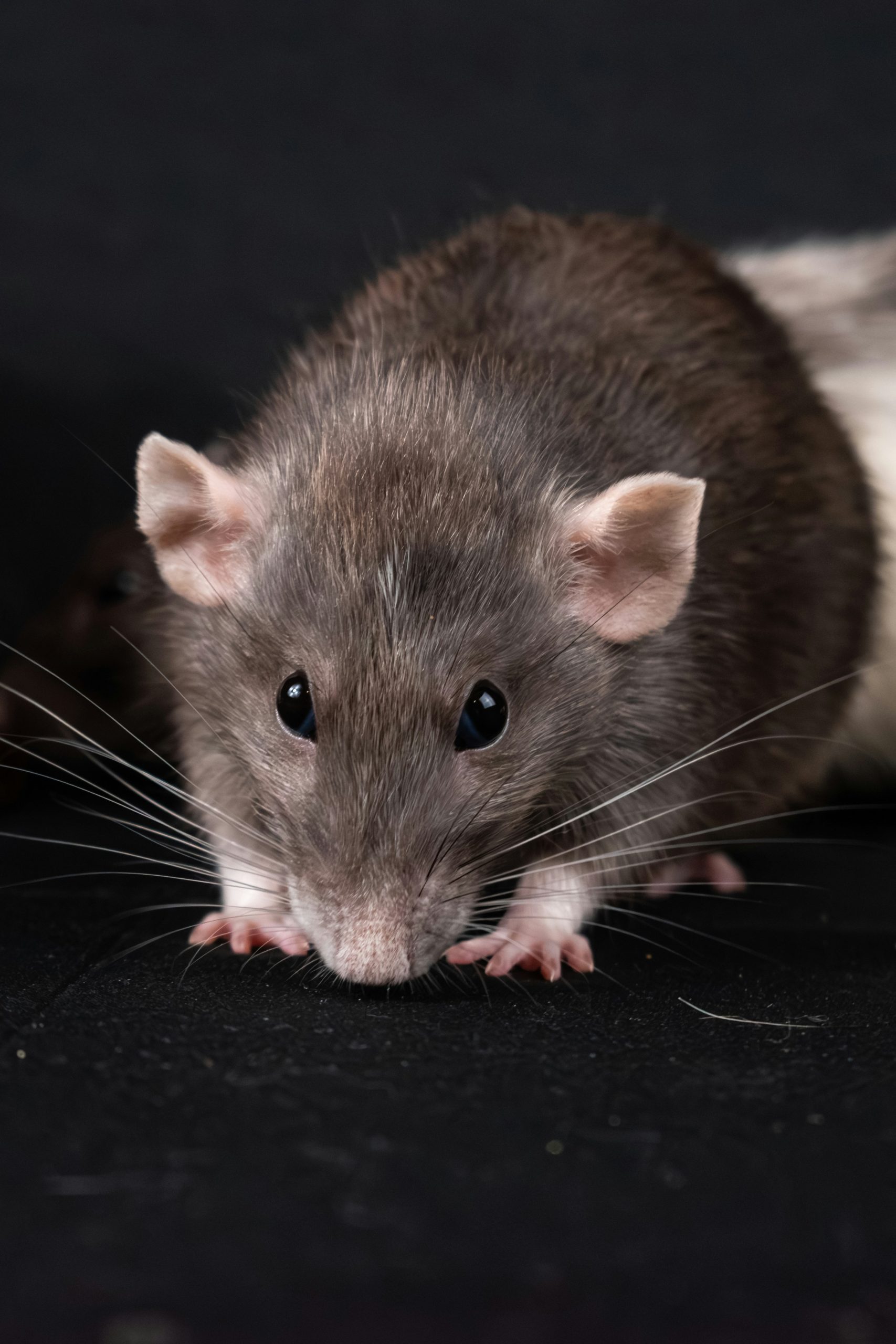
The Brown Rat
The Brown Rat or sometimes called the Norwegian rat is a non native species to the UK. Its head and body size can be up to 28 cm (11 in) the tail is smaller than its head and body.
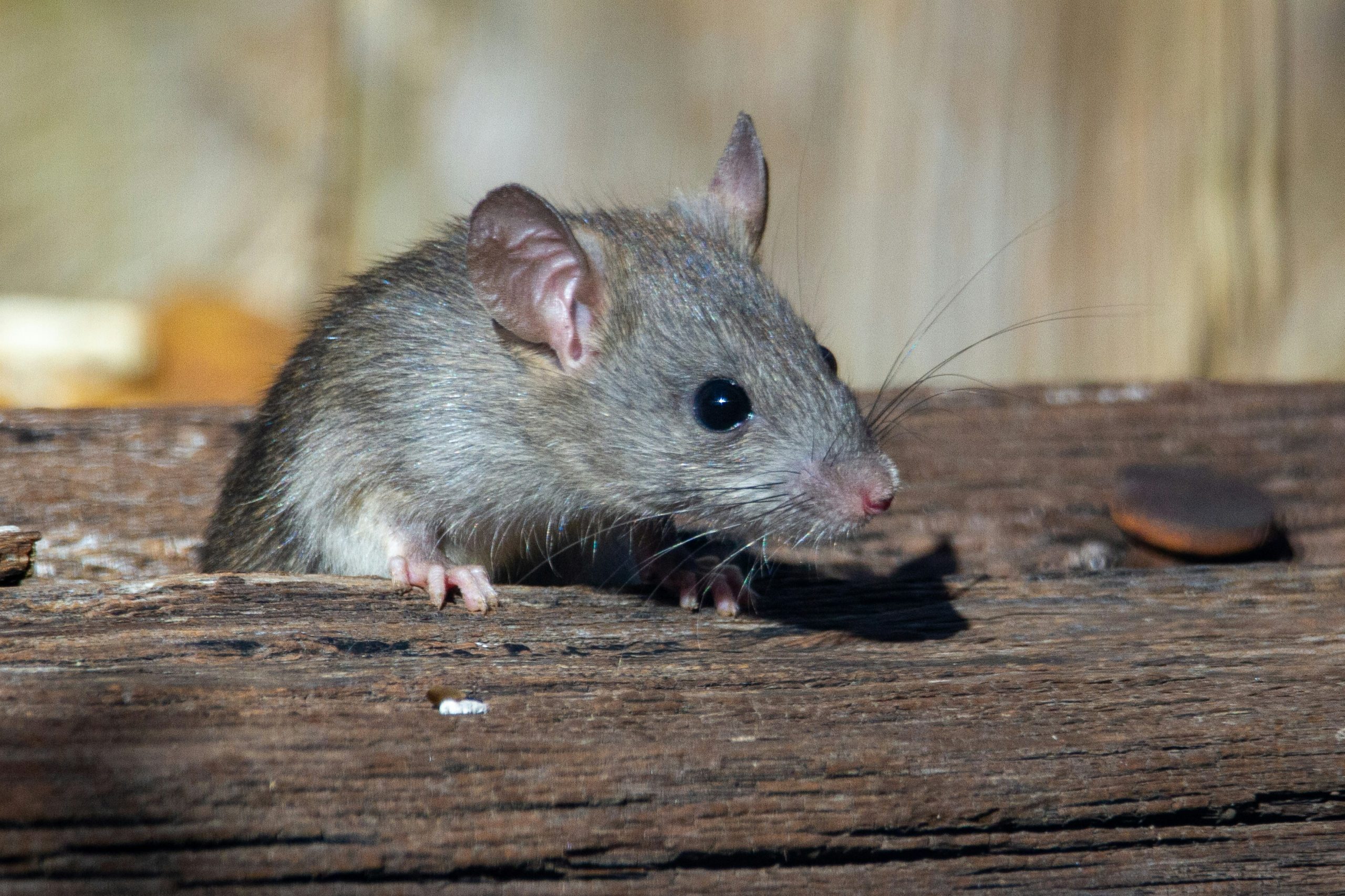
House Mouse
The house mouse is a mammal that is very comfortable living in close proximity to human beings. They are normally from 7 to 12 cm in length and brownish in colour with large eyes and large circular ears.
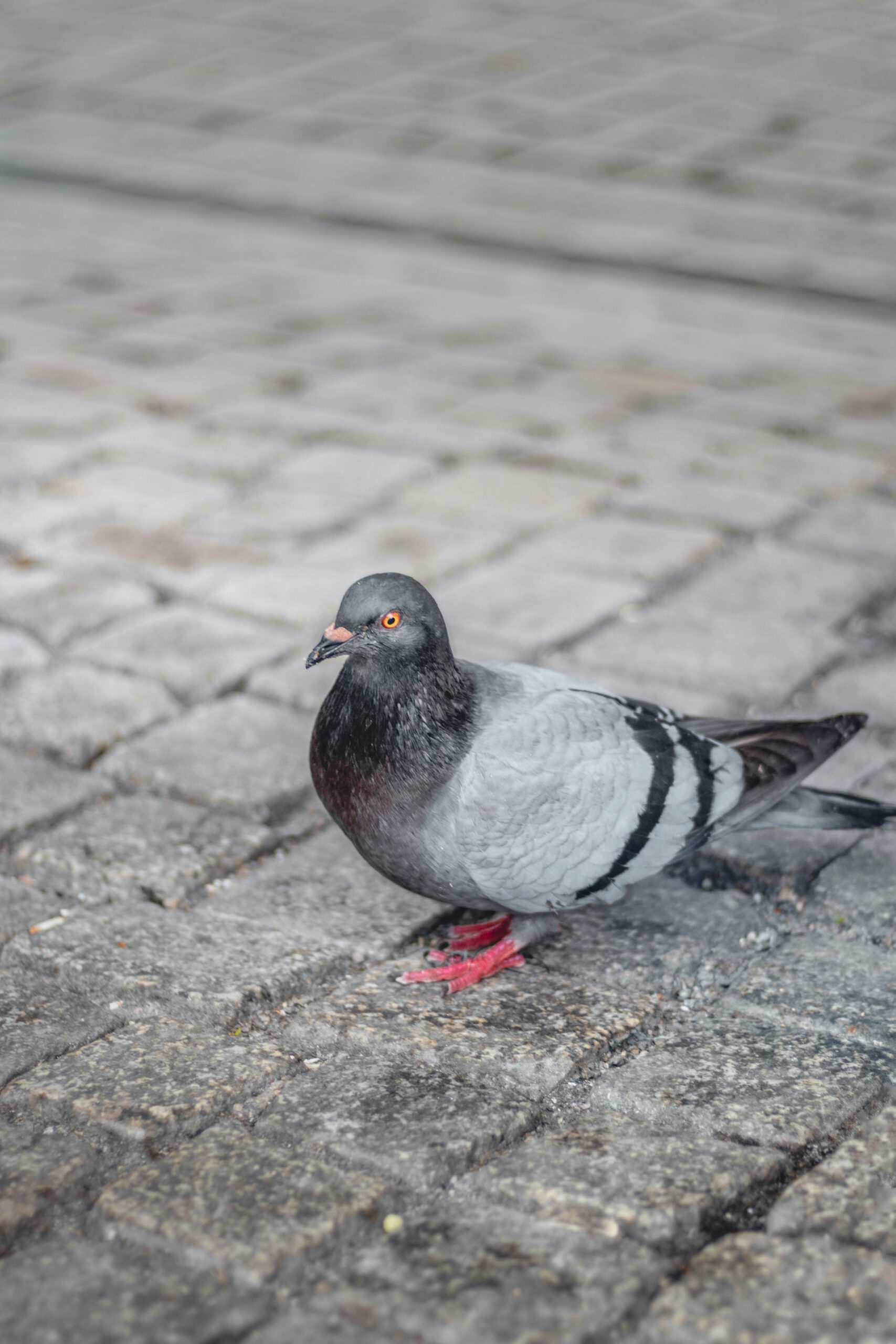
Wood Pigeon
There are over 5 million breeding pairs of wood pigeons in the UK. The wood pigeon had an increase of 134% between 1970 – 2011.
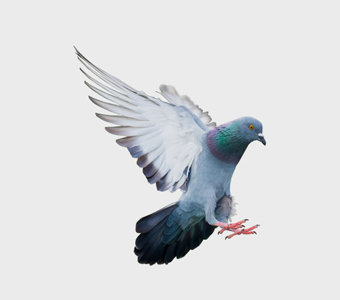
Feral Pigeon
The feral pigeon, sometimes referred to as the street pigeon are pigeons that originally descended from the wild rock dove.

Birds (Crows, Seagulls, Canada Geese and all other species advice)
Whether your home or business is plagued by seagulls or crows, they are destroying your golf course or fields and gardens feeding on leather jacket larvae, we have the solution.

Grey Squirrel
The grey squirrel originally comes from North America and is not native to the UK. They were introduced to the UK between the 1870s to the 1930s as exotic species in large estates and gardens.
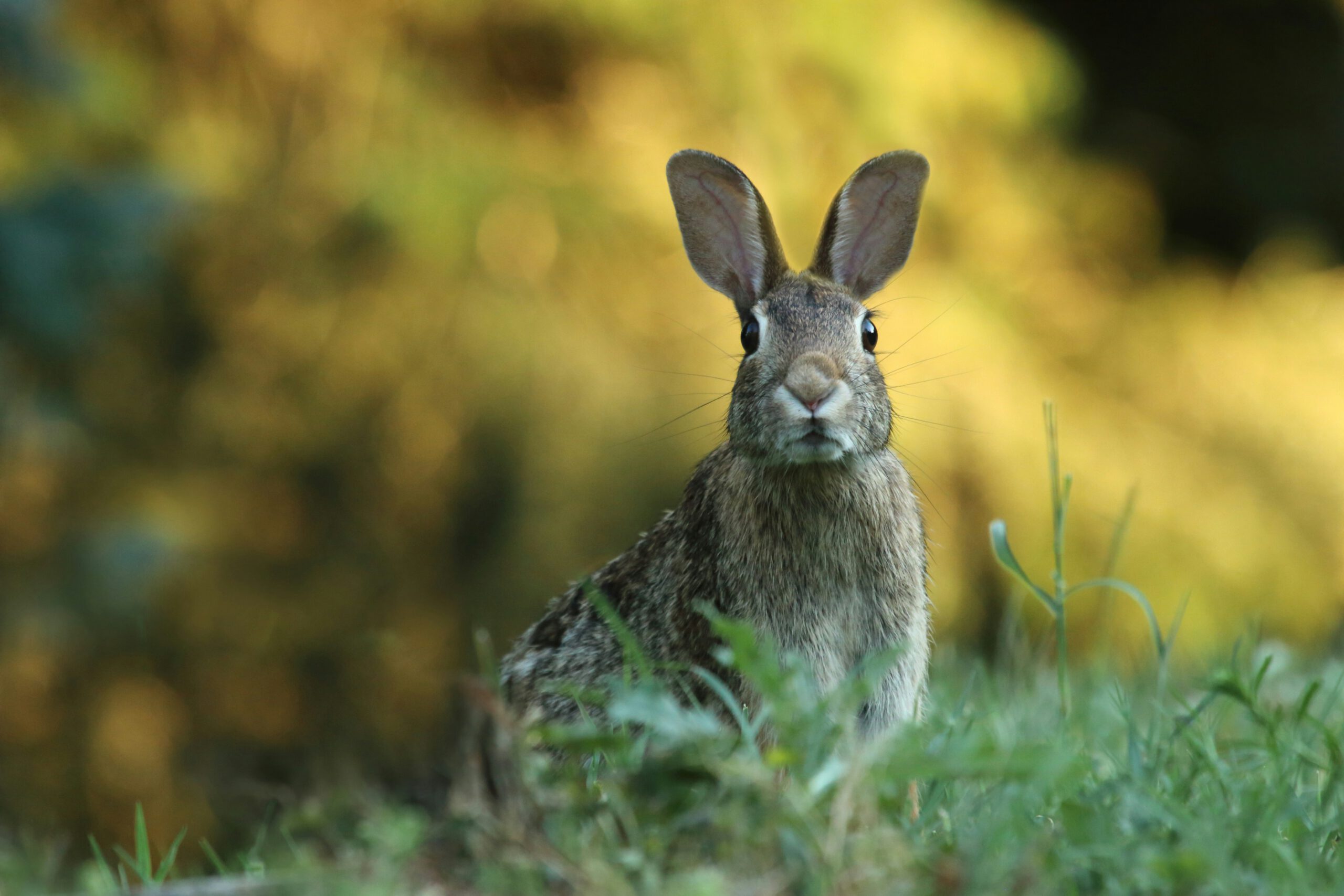
Rabbit
There are over 5 million breeding pairs of wood pigeons in the UK. The wood pigeon had an increase of 134% between 1970 – 2011.
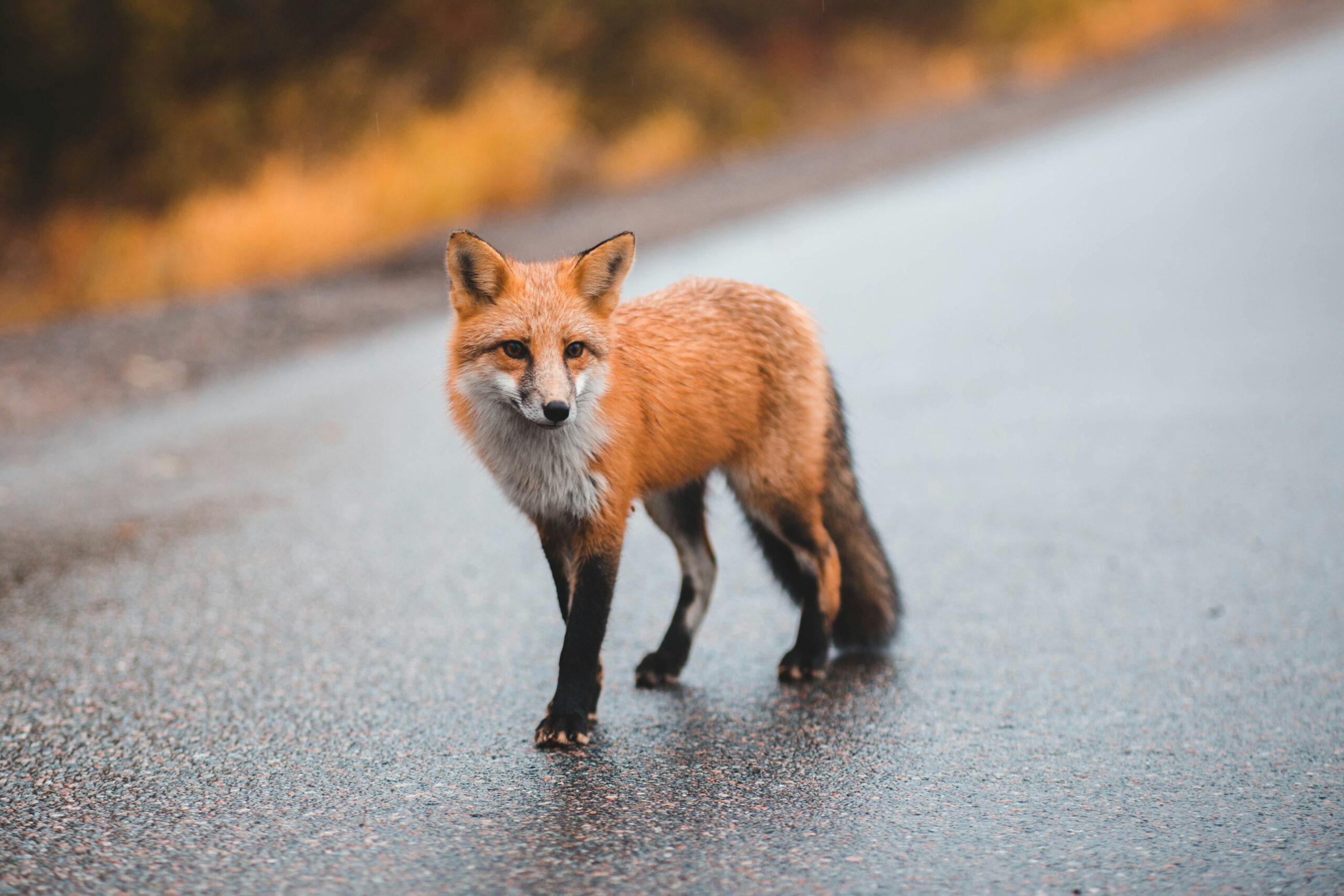
The Fox
The fox is widespread throughout mainland Britain and there is estimated to be a population of 357,000 (Mathews et al 2018).
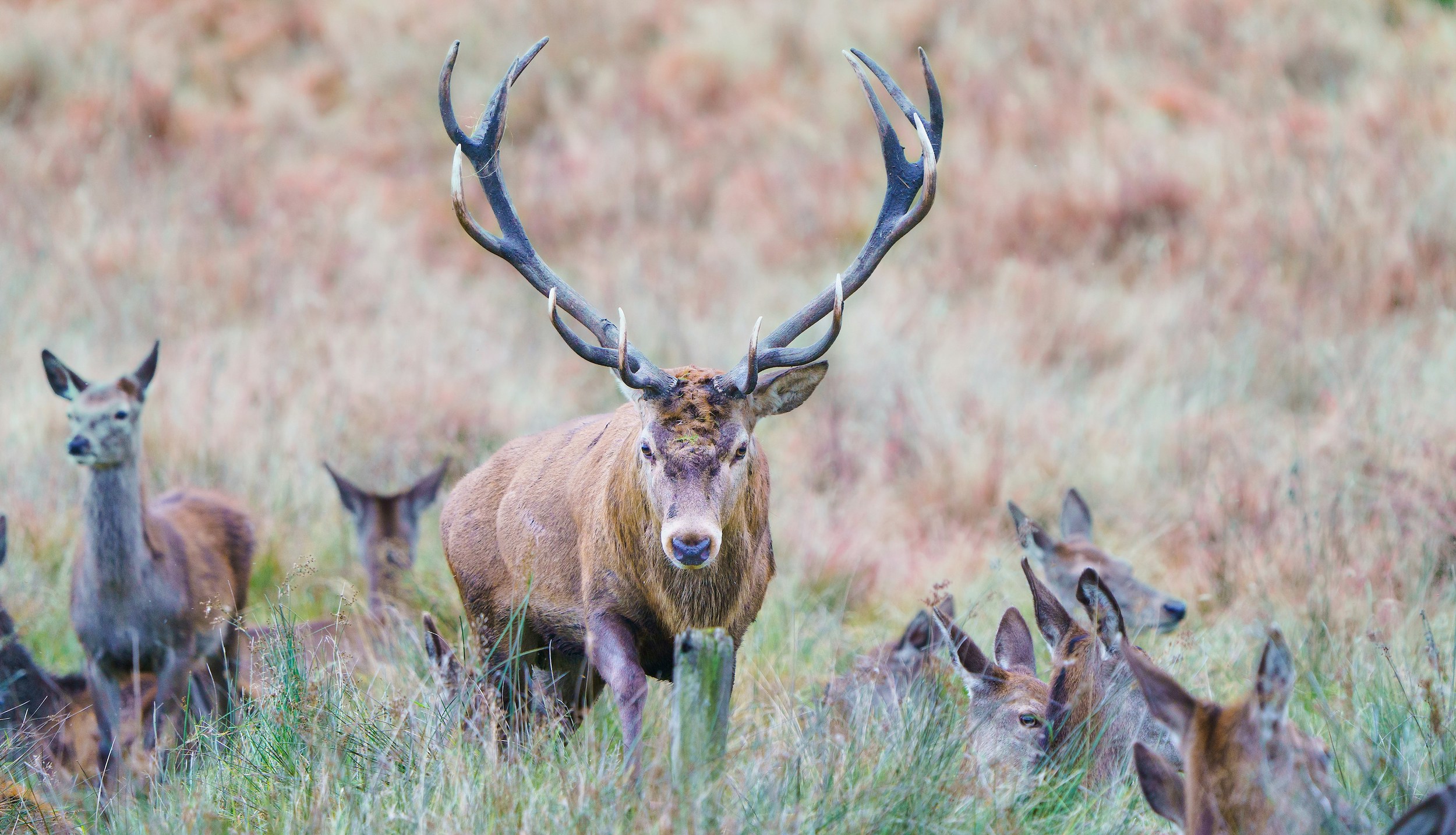
Deer
There are six species of deer to be found in the UK. The two native deer species in the British Isles are the Red deer ( Cervus elaphus) and the Roe deer ( Capreolus capreolus ).

Moles
Moles are found throughout Britain but are not in Ireland. Moles mainly eat earthworms but willalso eat insect larvae and it is estimated that an 80g mole requires 50g of food per day.
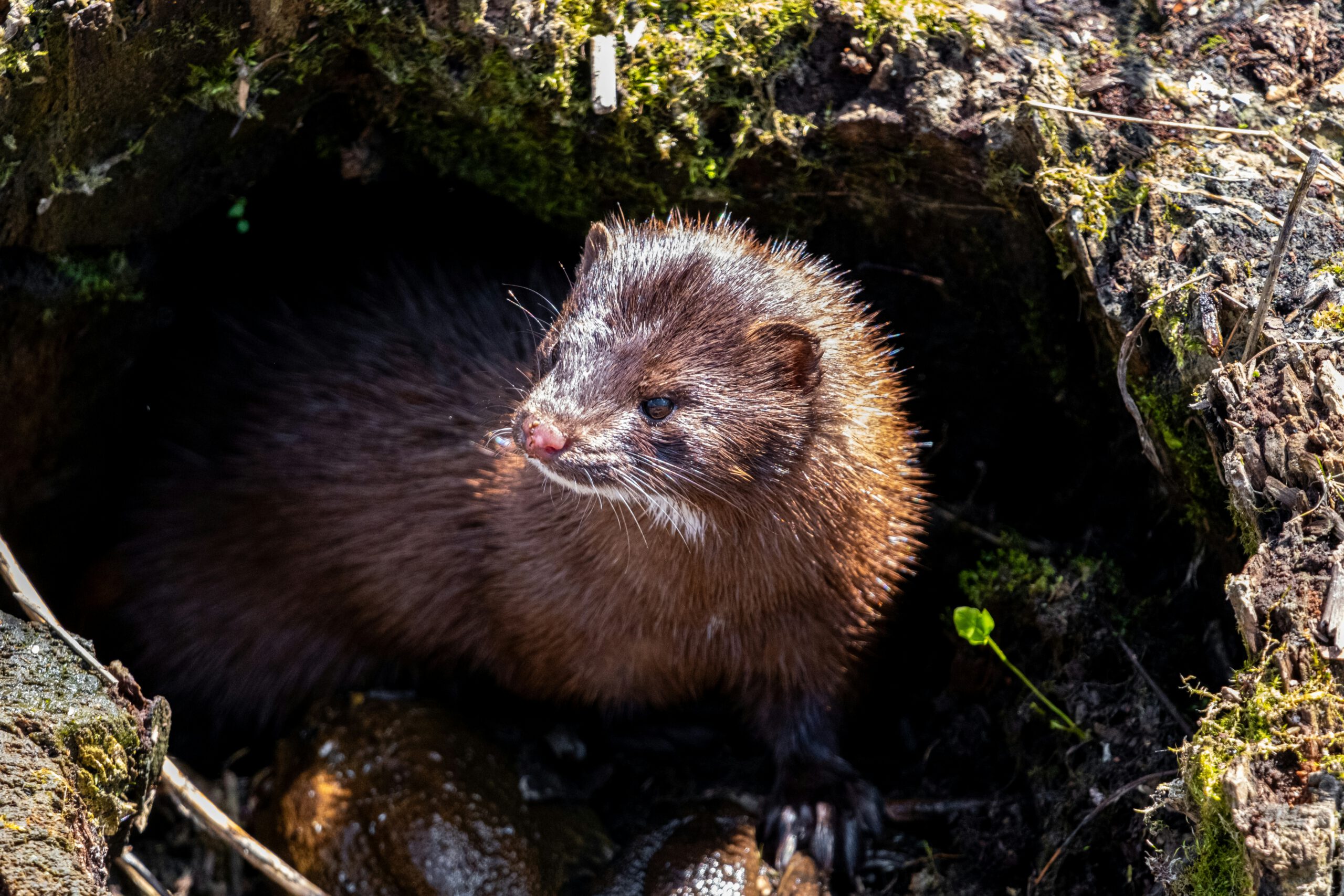
Mink
The American mink ( Neovision vison ) is an invasive species which was first brought to the Uk in the 1920s for the fur trade.
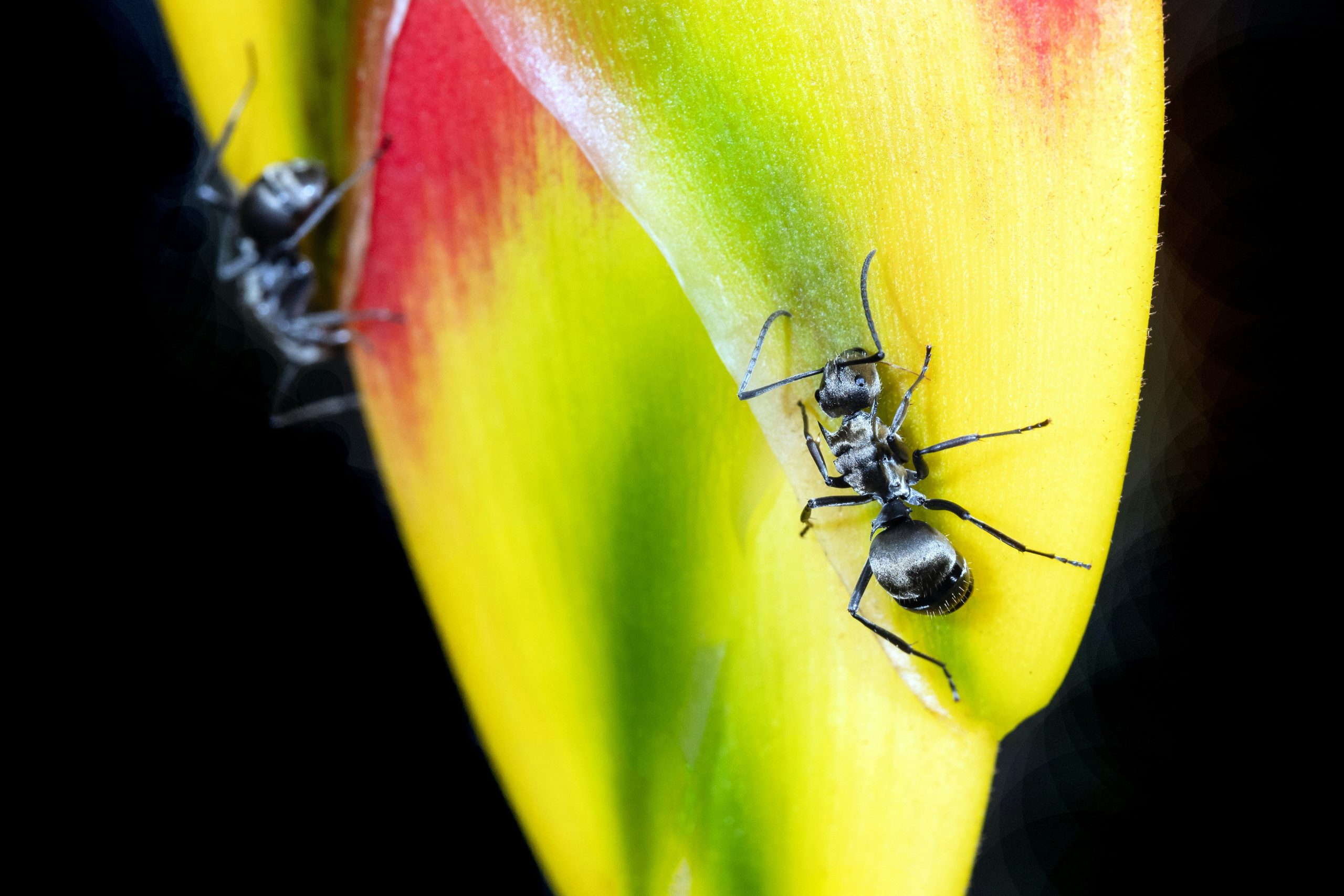
Ant
There are about 50 species of ant in the Uk and some of these species are a pest to homeowners, gardeners, hospitals and businesses.
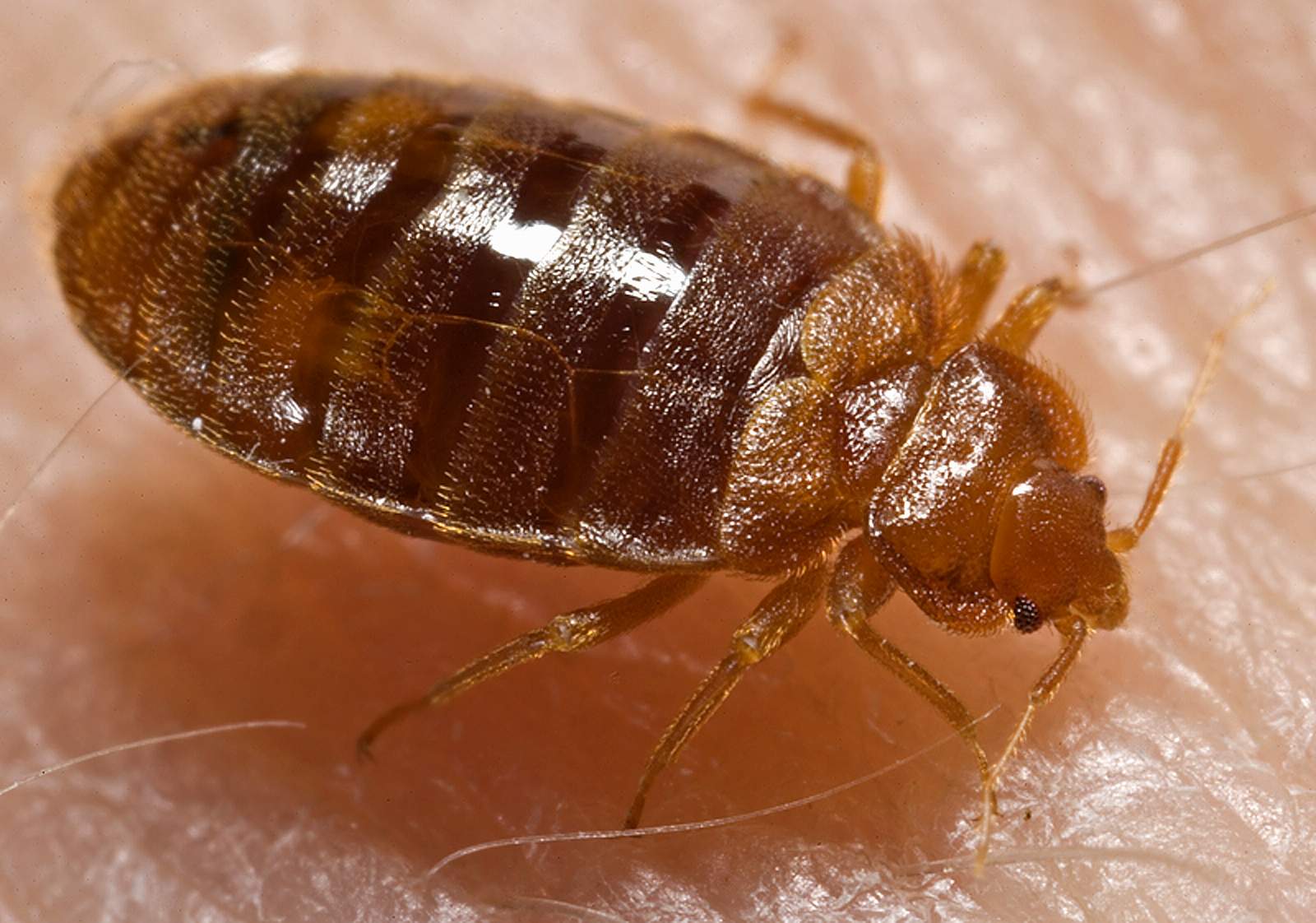
Bed Bug
Bed bug numbers have risen over the last few decades due to human passenger travel from overseas and the use of second hand furniture.

Carpet Beetle
There are several species of carpet beetle, these include the Varied Carpet Beetle (Anthrenus verbasci), which is about 3-4 mm in length and has the appearance of a camouflage shaded black, white, brown and creamy ladybird.
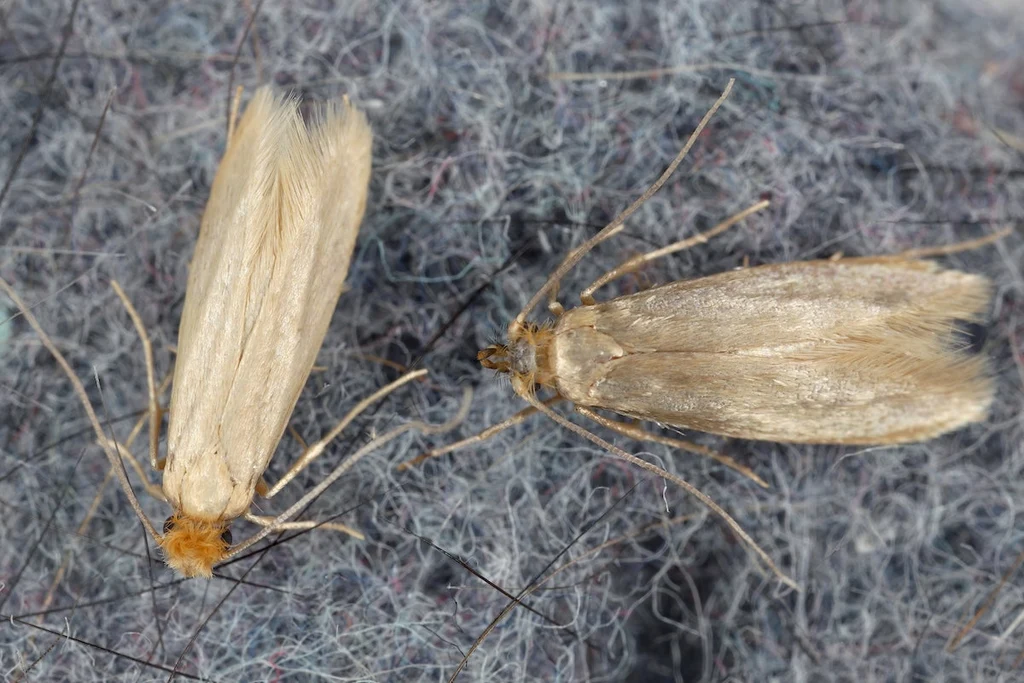
Clothes Moth
There are a few different species of clothes moths to be found in the UK and all can be distinguished from most other species by the way they close their wings along their back.
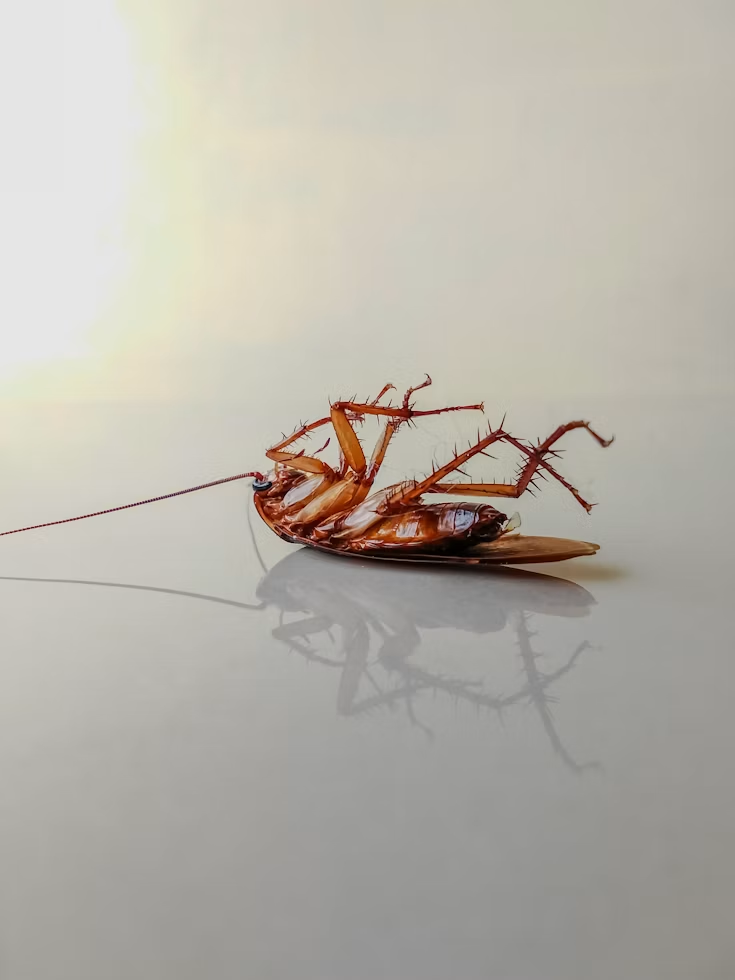
Cockroach
There are two main species of cockroach to be found in the uk. These are the German cockroach (Blattella germanica) and the Oriental cockroach (Blatta orientalis).
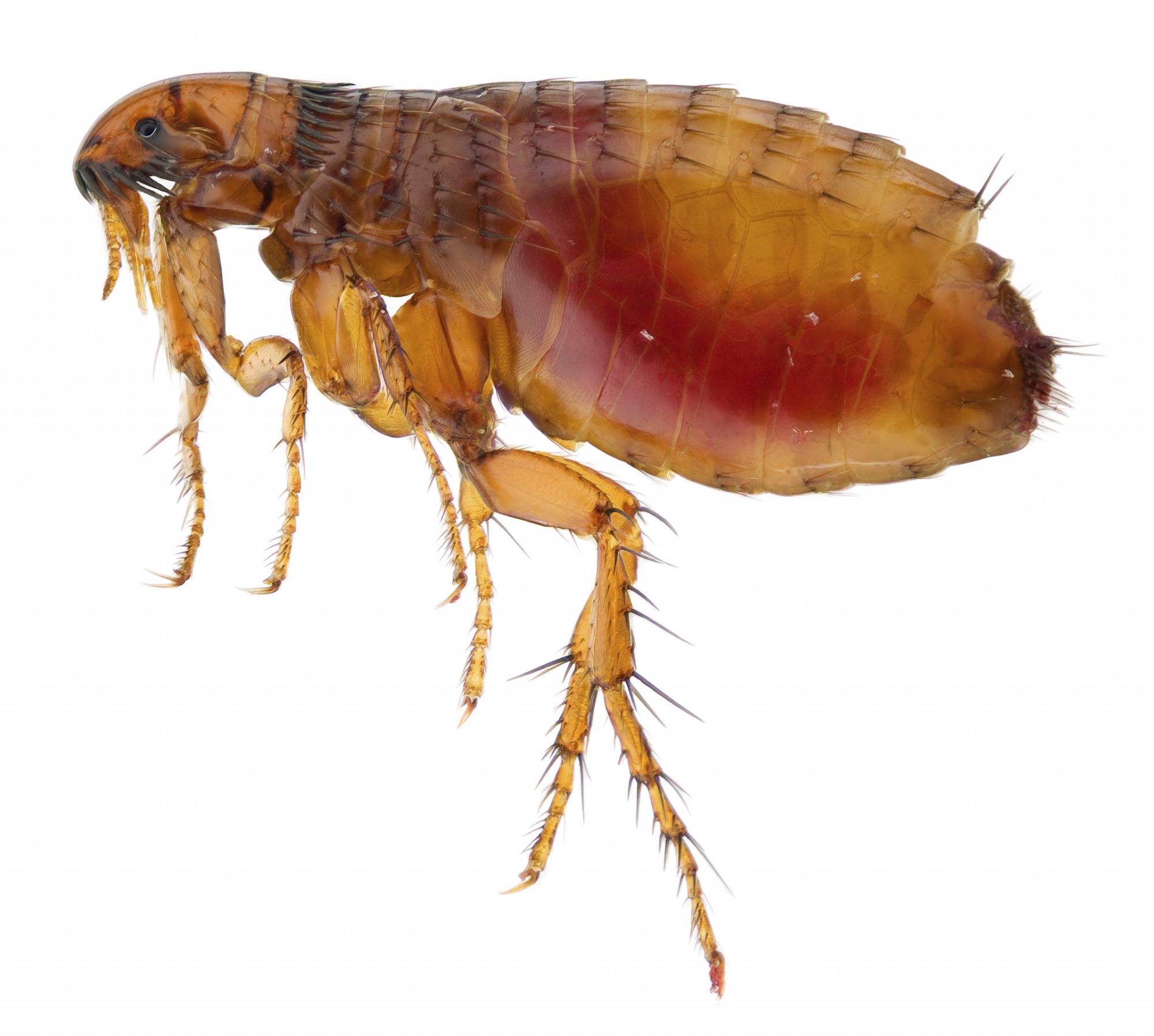
Fleas
The two main kinds of flea to be encountered in the UK are the dog flea (Cteneocephalides canis) and the cat flea (Cteneocephalides felis).
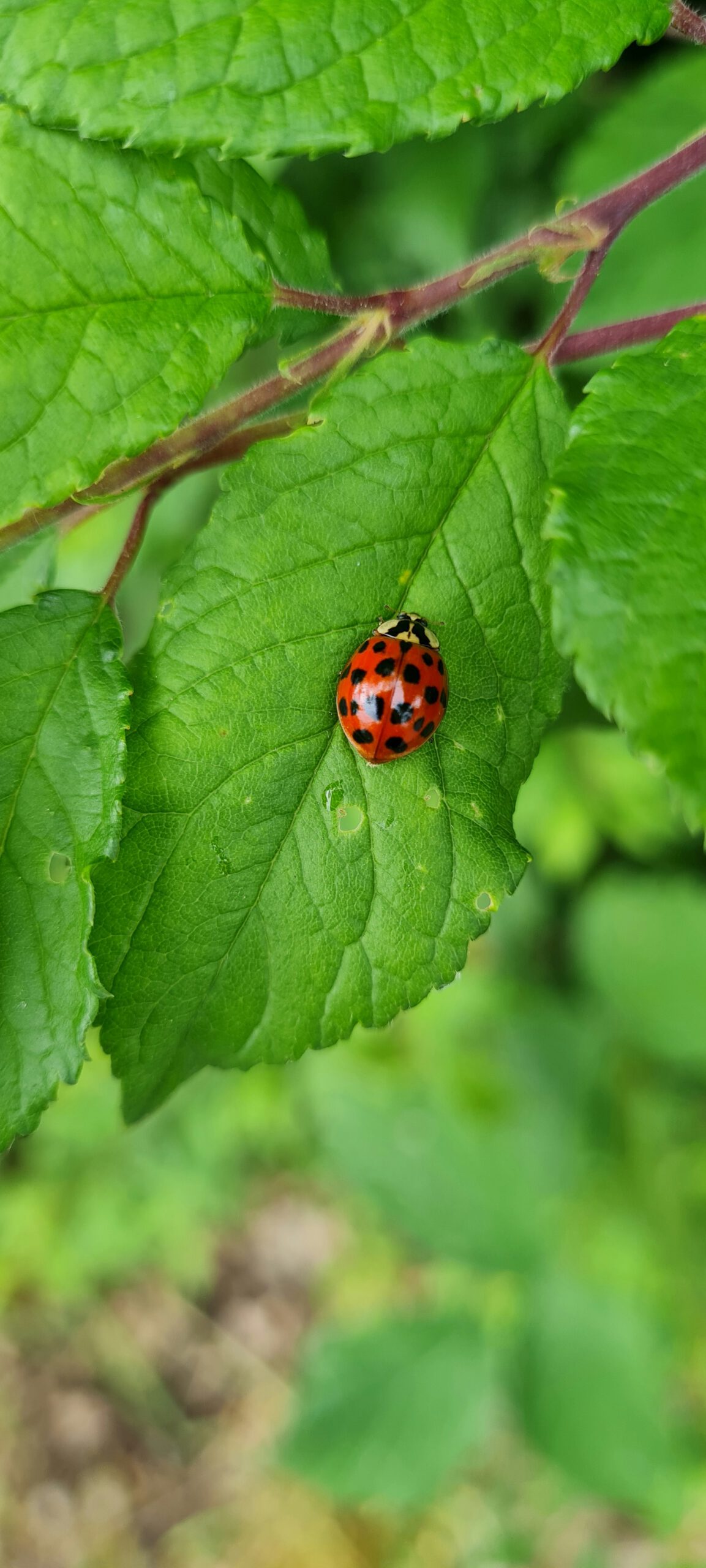
Harlequin Ladybird
The Harlequin Ladybird (Harmonia axyridis) is not native to the UK but was introduced to other European countries where they were used in large greenhouses to predate on aphids.

House Fly
Most fly species feed by being sick onto a food source and then sucking up the saliva liquid that they have vomited up. This inturn contaminates the food source with bacterias from the flies feet and stomach.
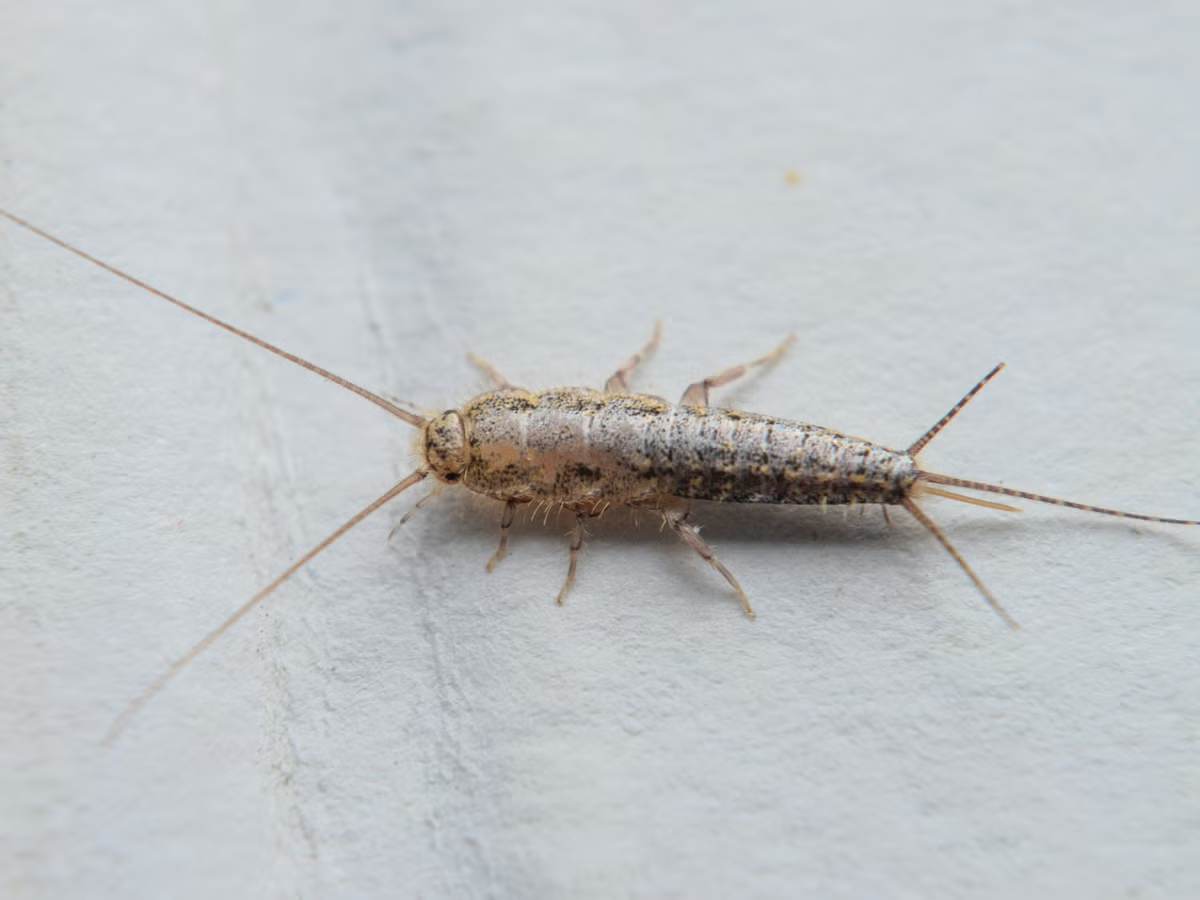
Silverfish
Silverfish (Lepisma saccharinum) are silvery-grey/blue non flying insects that are about 10-12 mm long, carrot-like in shape with 3 long bristles at the tail.

Stored Product Insect
These can include beetles, weevils and moths, and include such species as Confused flour beetle, Saw toothed grain beetle, Larder beetle, Rice weevil, Biscuit beetle, Mill moth and Indian meal moth to name just a few.
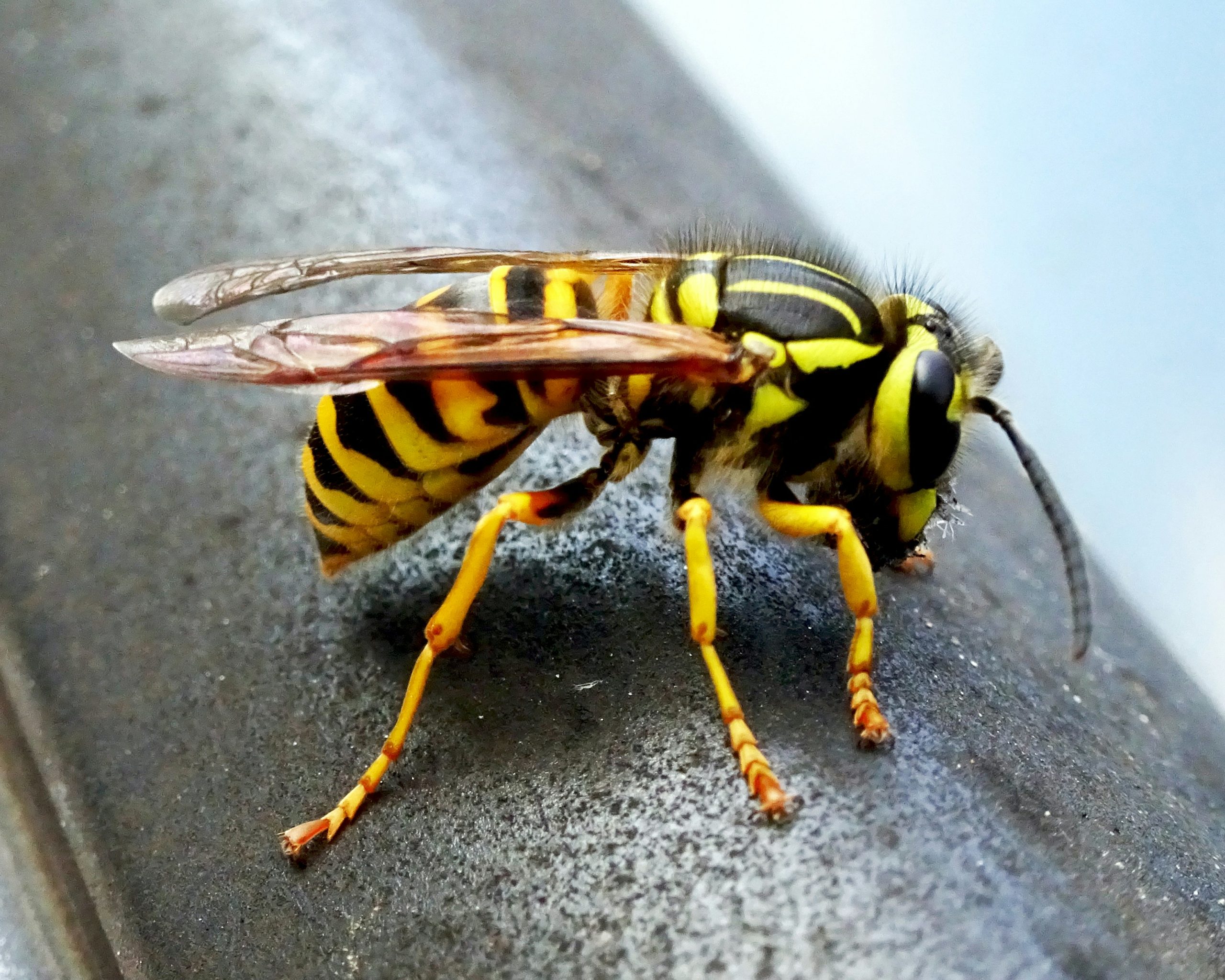
Wasp
The two most commonly encountered wasp species are the Common wasp ( Vespula vulgaris ) and the German wasp ( Vespula germanica ).


