

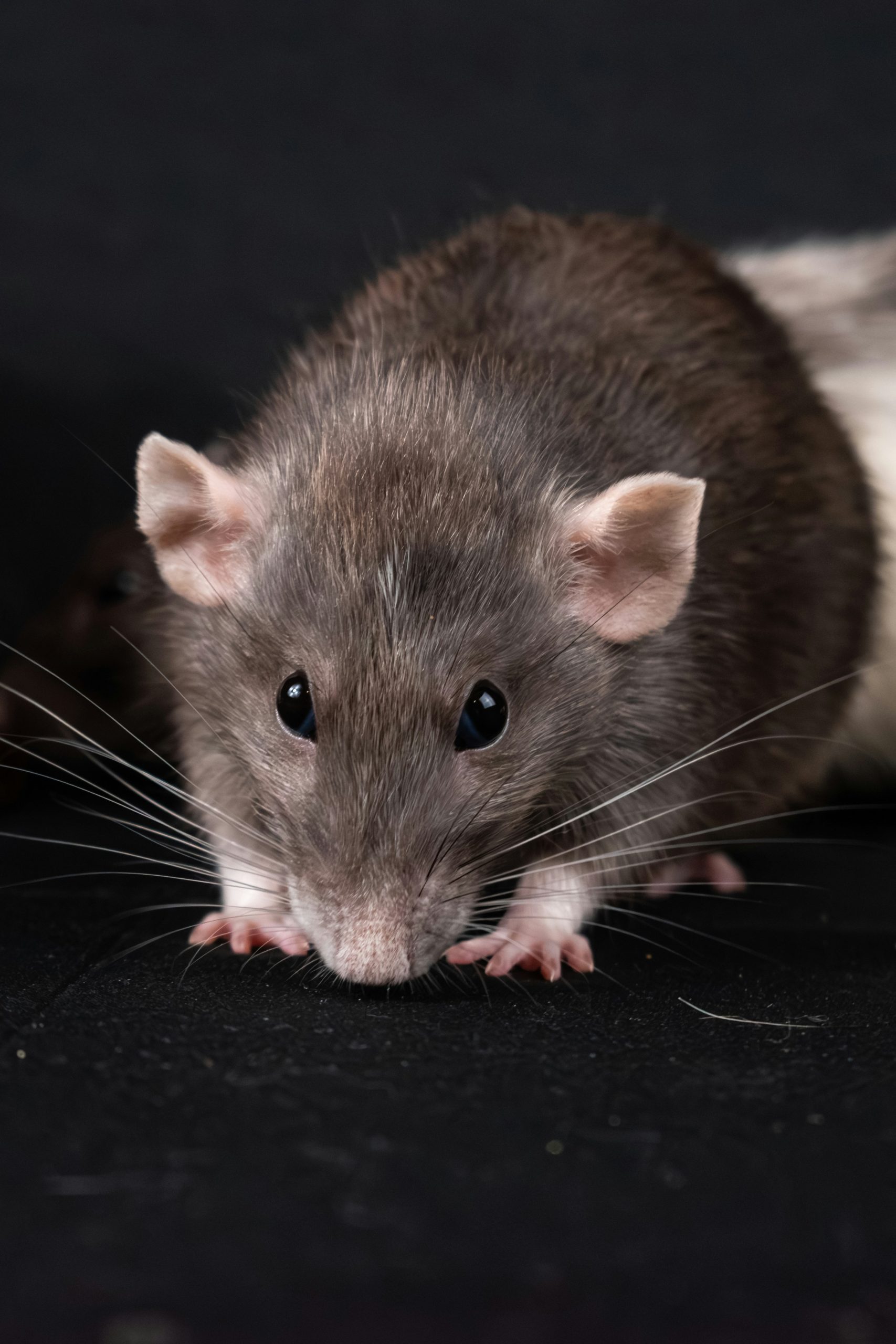
The Brown Rat
The Brown Rat or sometimes called the Norwegien rat is a non native species to the UK. Its head and body size can be upto 28 cm (11 in) the tail is smaller than its head and body. The brown rat can be found wherever humans inhabit and is actually found on every continent except Antarctica. It is believed the brown rat reached the British Isles about 1720 when it came off of ships. Originally the species came from Asia.
There is also a second species of rat to be found in the UK and that is the Black Rat ( Rattus rattus ) although this is rarely found in the UK nowadays and when it is it’s usually around ports or some coastal towns.
It appears that in the UK rat numbers are now getting very high and this is believed to be due to our milder winter climates and abundance of food availability. It is estimated that there could be anything between 10.5 million to 120 million rats in the UK.
Facts
Brown rats like to stay on or beneath the ground but are also agile climbers that can jump up to 3 feet. They can squeeze through a gap of 15mm (10 pence piece). They eat approximately 10% of their body weight per day and can weigh 200 – 300 grams. They are known to travel up to 2 to 3 miles looking for food. They are excellent swimmers and have to drink water daily.
Rats need three things to survive food, water and shelter. Brown rats exhibit neophobic behavioural patterns. This means at times they are not easy with newly placed items or changes until they become familiar to them.
Rats are rodents and the name rodent comes from the latin word ‘ Rodere’ which means too gnaw. The rats front incisor teeth grow continually so the animal has to gnaw to prevent continual growth.
A rat becomes sexually mature at 6 weeks old and after about 21 days can give birth to between 7 to 12 young. These are weaned at 6 weeks and a doe rat can repeat the process again.
Rats can cause danger to property by continually gnawing, especially when electric cables and appliances are gnawed or pipes as this can cause either fire or flooding. Also beware of gnawing in vehicles through cables. Rats can carry many diseases that are dangerous to humans such as leptospirosis (Weils disease), Salmonella, Plague (last recorded in the UK in Suffolk in 1918), Toxoplasmosis, Rat Bite Fever, Hantavirus and Murine Typhus.


